
Understanding Keyboard Types: Membrane vs. Mechanical
When selecting the best keyboard for work or home office use, it is essential to understand the primary types: membrane and mechanical keyboards. Each type varies significantly in construction and functionality, offering distinct advantages and disadvantages.
Membrane keyboards consist of a thin layer of flexible material that houses the key switches beneath. When a key is pressed, the membrane contacts a circuit beneath, registering the input. This design leads to a quieter typing experience, making them suitable for environments where noise is a concern. Additionally, membrane keyboards are often more affordable than their mechanical counterparts, providing a practical option for users on a budget or those needing a simple desk keyboard.
On the other hand, mechanical keyboards utilize individual switches for each key, providing tactile feedback and a more pronounced click sound when typing. This mechanism allows for improved durability and responsiveness, making mechanical keyboards a favorite among gamers and professionals who type extensively. The longevity of mechanical switches can be advantageous, as they tend to withstand heavy use over time, making them one of the best keyboards for work.
However, mechanical keyboards often come with a higher price tag, which may deter some users. Additionally, their noise level can be disruptive in shared workspaces or quiet environments. Users must consider their specific needs when choosing between a membrane or mechanical option, weighing factors such as typing experience, noise level, and budget.
In conclusion, understanding the differences between membrane and mechanical keyboards can guide users in selecting the best keyboard for their unique requirements, whether they are seeking a quiet laptop keyboard or a responsive full-size keyboard for their home office.
The Importance of Ergonomics in Keyboard Design
Ergonomics play a crucial role in the design and functionality of keyboards, particularly for those who engage in extensive typing on laptops and desktop PCs. A well-designed ergonomic keyboard promotes comfort and reduces the risk of repetitive strain injuries, which are common among users of traditional keyboard setups. The best keyboard for work should include features that cater to the natural posture of the hands and wrists, thereby enhancing typing efficiency and overall productivity.
One notable feature of ergonomic keyboards is the inclusion of wrist supports. These supports can help maintain a neutral wrist position, which is essential during long hours of typing. By elevating the wrists and providing cushioning, wrist supports prevent the wrists from bending at awkward angles that can lead to discomfort and long-term health issues. For instance, using a full-size keyboard equipped with a built-in wrist rest may significantly enhance comfort levels, thereby allowing users to focus better on their tasks without the distraction of discomfort.
Additionally, split designs are becoming increasingly popular among ergonomic keyboard options. This design allows the user to position each half of the keyboard independently, thus accommodating different body types and preferences. Adjustable angles are another key feature that can contribute to a more comfortable typing experience. Users can tilt the keyboard to their preferred angle, helping to keep the wrists in a neutral position while typing, further reducing the risk of fatigue and strain.
Maintaining proper wrist alignment is particularly important when using a laptop keyboard, as the compact design often encourages poorer posture. To mitigate these issues, using an external desk keyboard that offers ergonomic features can be a valuable solution for those working from home. In conclusion, investing in a keyboard that combines ergonomic principles with functionality is vital for anyone seeking a comfortable and efficient typing experience, especially in a home office environment.
A Review of the Top 5 Keyboards for All Types of Users
When looking for the best keyboard suitable for both laptops and PCs, it is essential to consider various factors such as build quality, key feel, performance, features, and price. This review assesses five keyboards that cater to a variety of users, including those using MacBook keyboards and traditional desk keyboards.
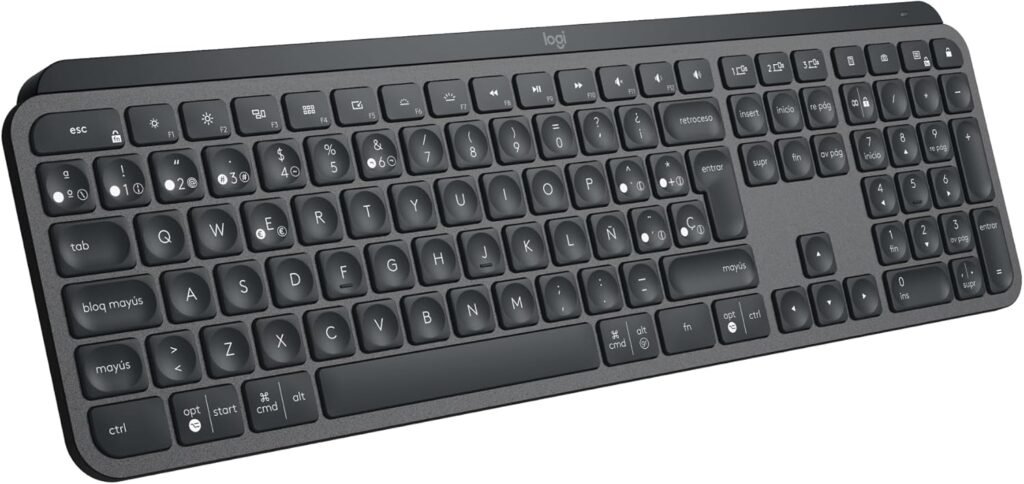
Firstly, the Logitech MX Keys stands out for its exceptional build quality and ergonomic design. It features smart illumination, which automatically adjusts based on the surrounding light and is compatible with multiple operating systems, including macOS and Windows. Its tactile feedback makes it ideal for both typing and programming, prompting many users to deem it the best keyboard for home office settings.
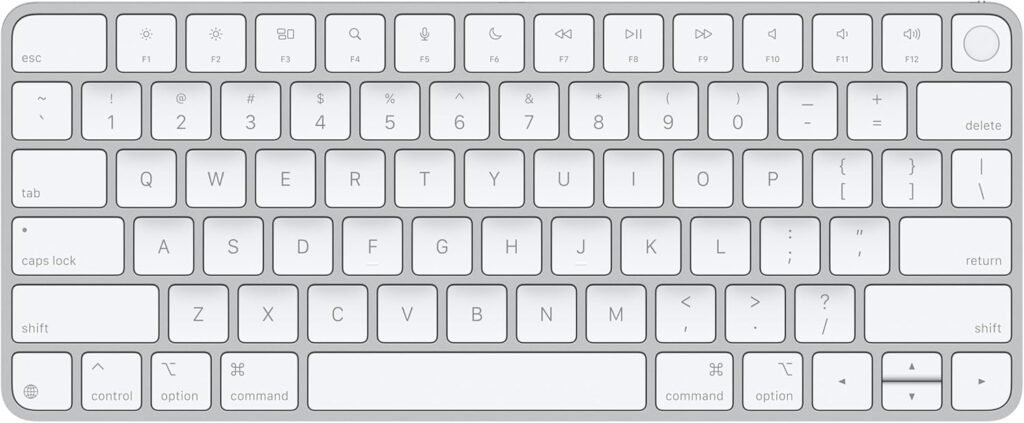
Next, we have the Apple Magic Keyboard, which is specifically designed for Mac users. With its sleek design and low-profile keys, it enhances aesthetic appeal without compromising functionality. The built in touch-id makes it a very unique and secure keyboard, quickly access passwords, make purchases and lock and unlock your device. Many users appreciate its seamless connection with other Apple devices, making it a popular choice for those who prioritize style alongside performance.
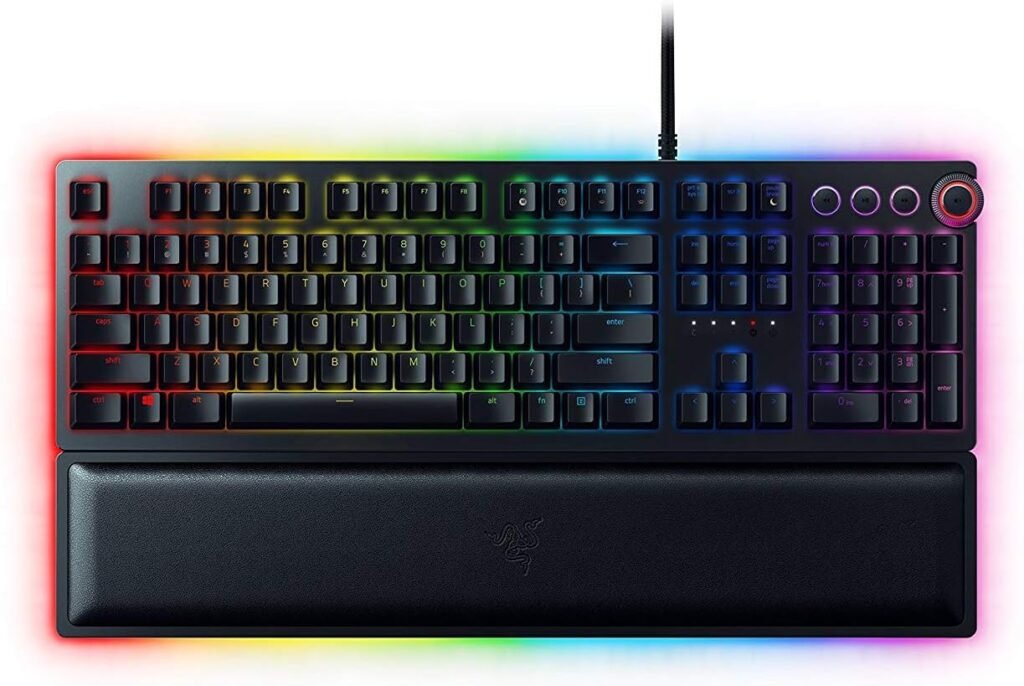
Another contender is the Razer Huntsman Elite, a full-size keyboard favored by gamers and professionals alike. It boasts Razer’s opto-mechanical switches, providing a satisfying click and quick actuation, which can significantly enhance productivity. Its customizable RGB lighting adds visual flair, making it suitable for both gaming and work environments, thus an excellent option for versatile use.
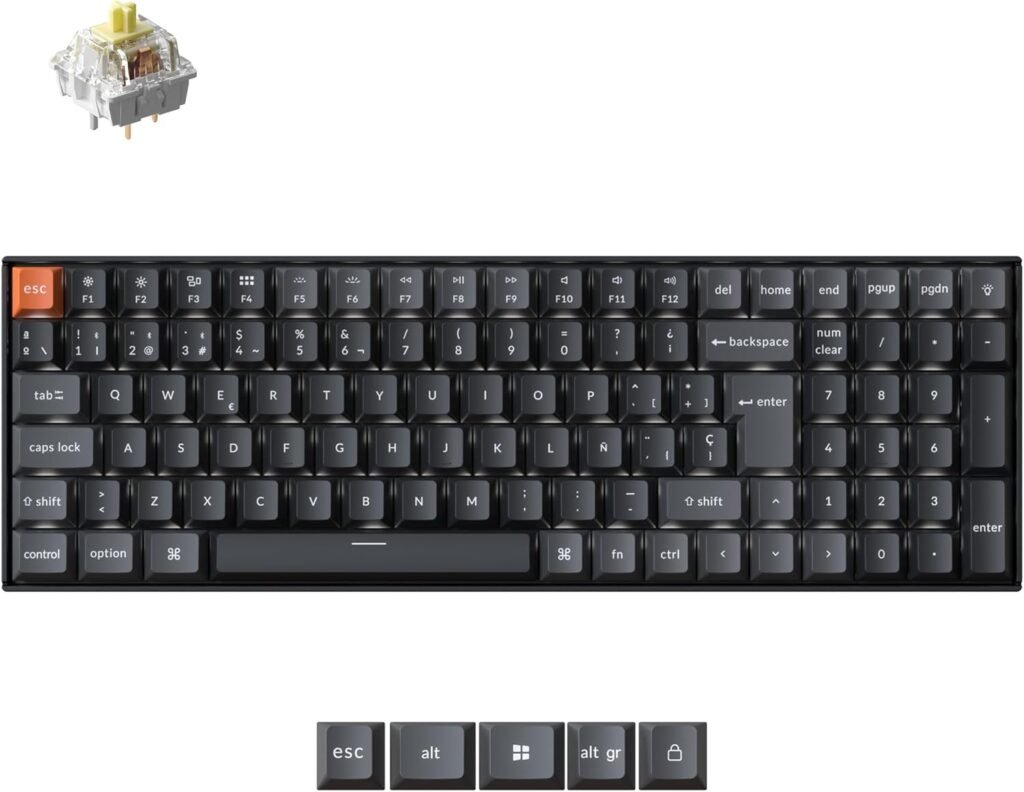
The Keychron K6 presents a budget-friendly option for users who value portability. This compact wireless keyboard resonates well with both casual and professional users, offering both mechanical and optical switches, which provide a satisfying typing experience. It’s especially recommended for individuals seeking a desk keyboard that doesn’t take up much space without sacrificing performance.
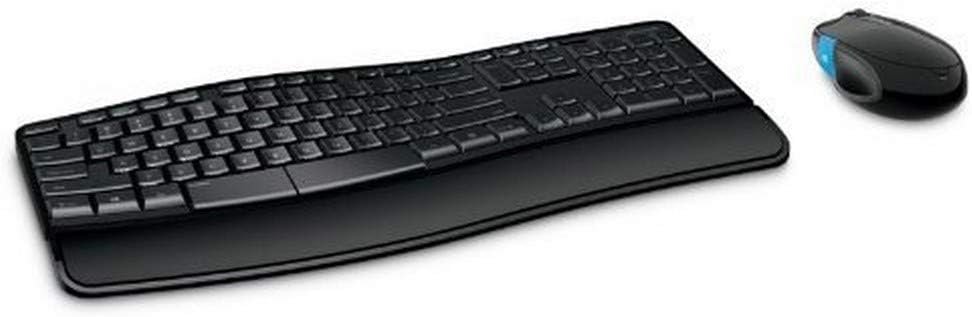
Lastly, the Microsoft Sculpt Ergonomic Keyboard deserves mention for its unique design aimed at reducing wrist strain. This keyboard encourages a natural typing posture, making it particularly suitable for those who spend extensive time typing. Its layout is user-friendly and ideal for any desk setup.
In conclusion, selecting the right keyboard varies according to individual needs and preferences. Evaluating each option based on their unique features will ensure that users find the best keyboard tailored for their working environment.
Choosing the Right Keyboard: Factors to Consider
Selecting the best keyboard for your needs can greatly enhance your typing experience, whether you are working from a desk or using a laptop. There are several critical factors to consider when making your choice, including budget, size, connectivity options, special features, and personal typing preferences.
The first aspect is your budget. Keyboards vary considerably in price, from budget-friendly options to high-end models with extensive features. It is essential to establish how much you are willing to spend on a keyboard for work, ensuring you choose one that offers the best value for your needs without compromising quality.
Next, consider the size of the keyboard. Full-size keyboards often include a number pad, making them ideal for tasks that require extensive data entry. However, if desk space is limited or you prefer a more compact setup, a smaller model or laptop keyboard may be more suitable. Compact keyboards can be travel-friendly and provide an excellent alternative for mobile users.
Connectivity is another critical factor. You can choose between wired and wireless keyboards, each with its advantages. Wired keyboards typically provide faster response times and don’t require batteries, while wireless options offer greater flexibility and a cleaner workspace. Your specific setup will help guide this decision.
Additionally, consider any special features that may enhance your typing experience. Some modern keyboards come equipped with RGB lighting or programmable keys, which can provide aesthetic appeal or improve functionality. Finally, personal typing preferences such as key feedback and travel distance should not be overlooked; it is crucial to select a keyboard that feels comfortable and meets your typing style.
By factoring in these elements, you can make a well-informed choice and find the best keyboard for home office that aligns with your specific requirements and enhances your productivity.